Walls
An enclosure that follows the hill.
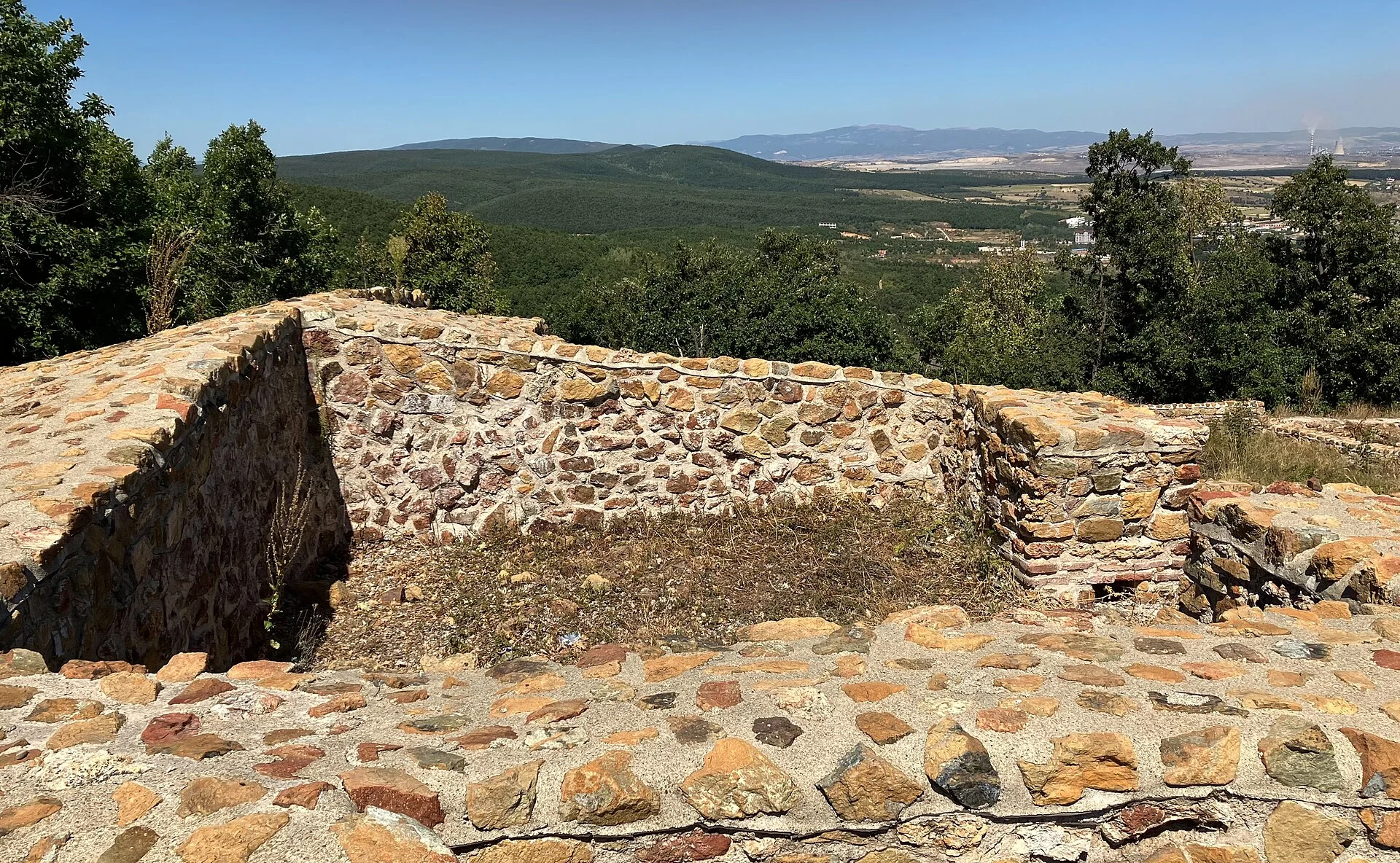
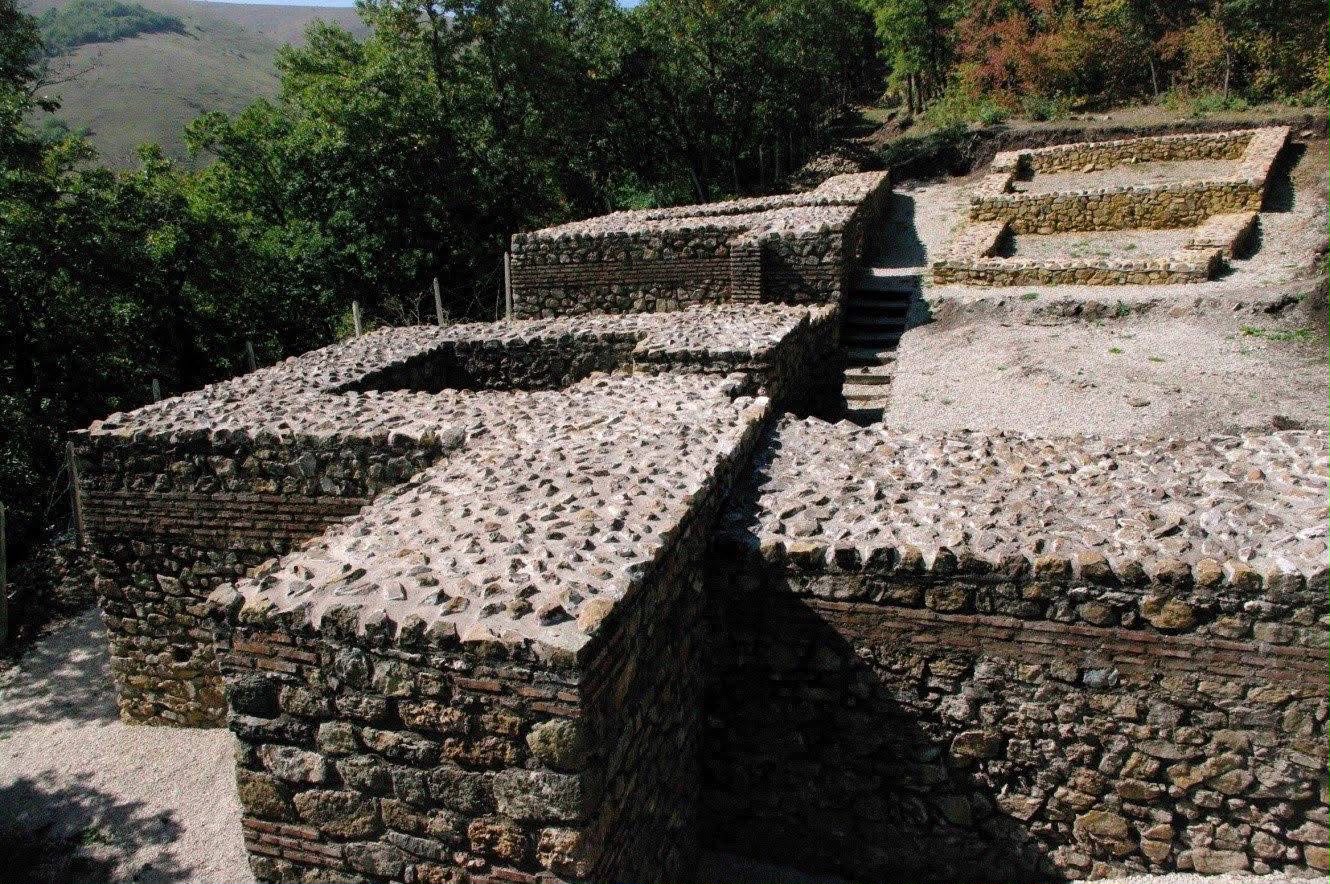
The stone walls enclose about 1.3 hectares. Archaeological research describes stone masonry with brickwork in some sections. Notice how the enclosure follows the terrain. [H01]
01 / HARILAQ FORTRESS
A fortified hill, sacred buildings and questions that still intrigue archaeologists. Come closer and read the traces.
LOOK FROM ABOVE
Select a number in the photograph or use the buttons below.
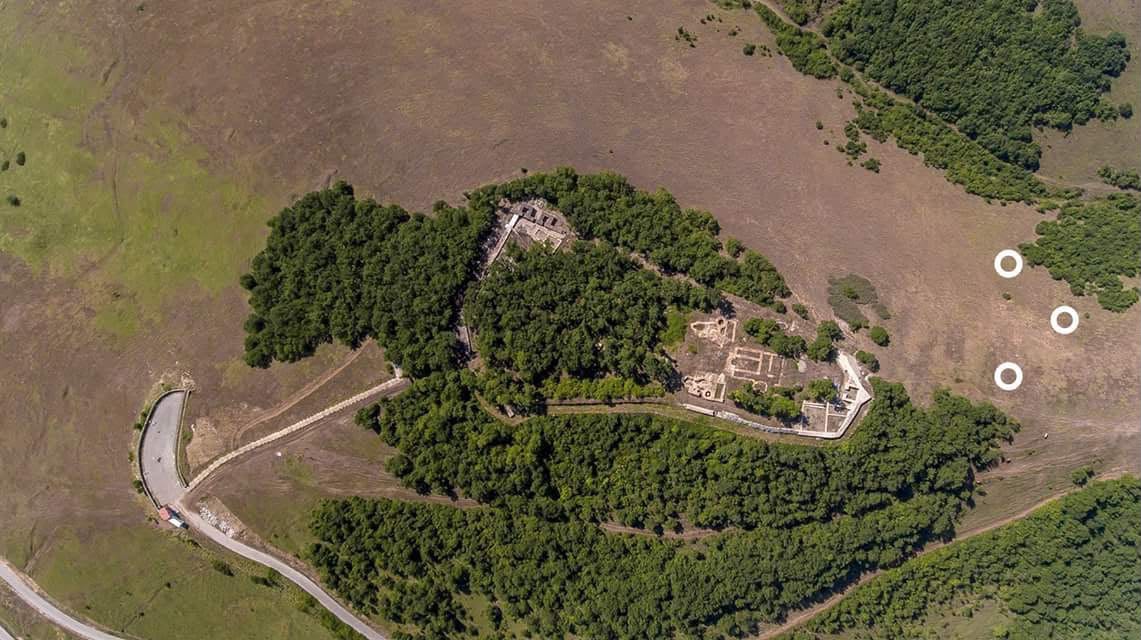
Actual photograph contributed by Dren Berisha. Points guide interpretation of the image; they are not a measured survey or a marked walking route. White marks belong to the supplied photograph.
Walls
The stone walls enclose about 1.3 hectares. Archaeological research describes stone masonry with brickwork in some sections. Notice how the enclosure follows the terrain. [H01]
Inside the enclosure
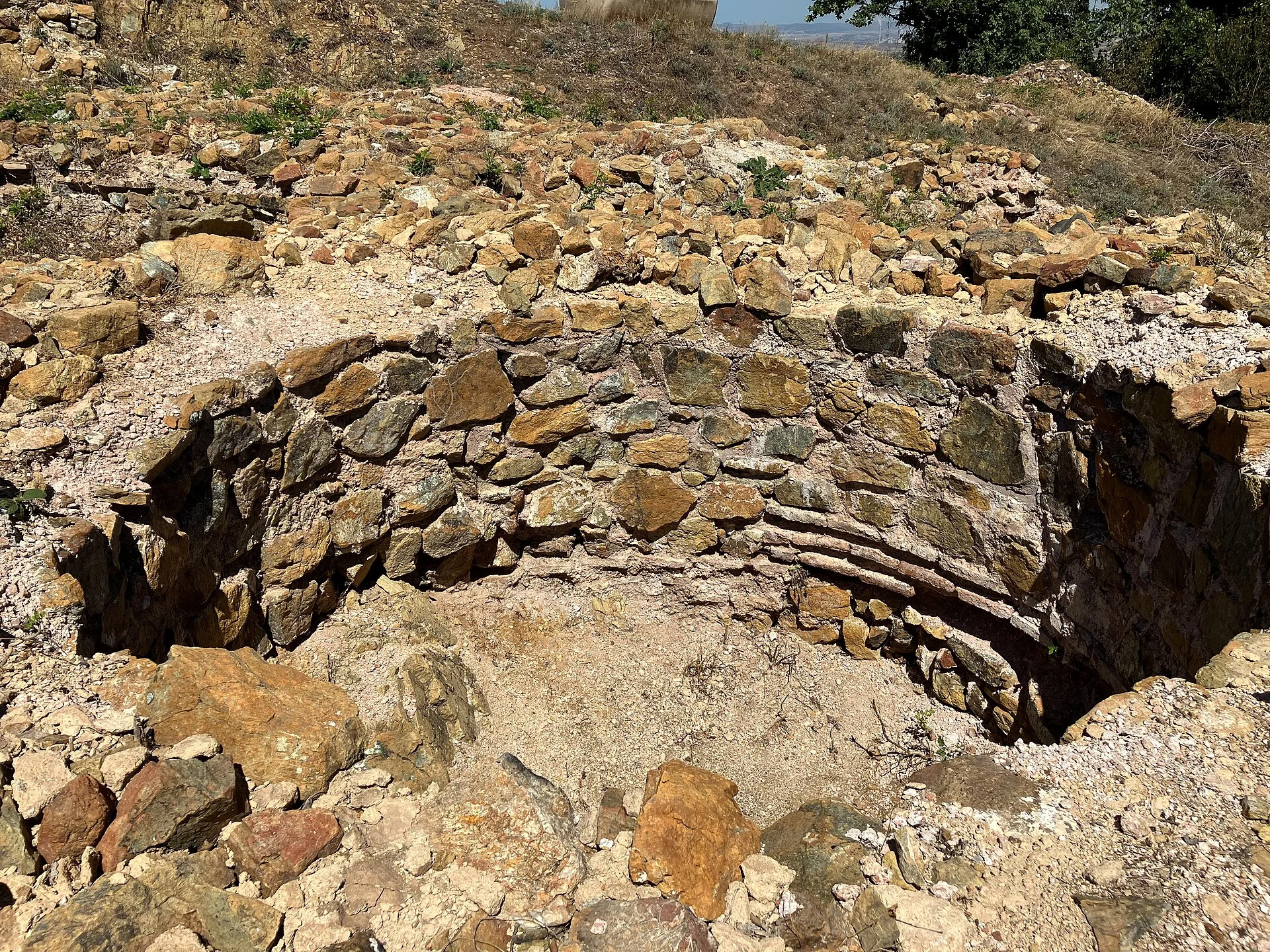
The complex includes a documented three-aisled church with a sacristy and two ring-shaped structures. The photograph shows the ruins area; research helps us interpret each building’s form and function. [H03]
Hill & landscape
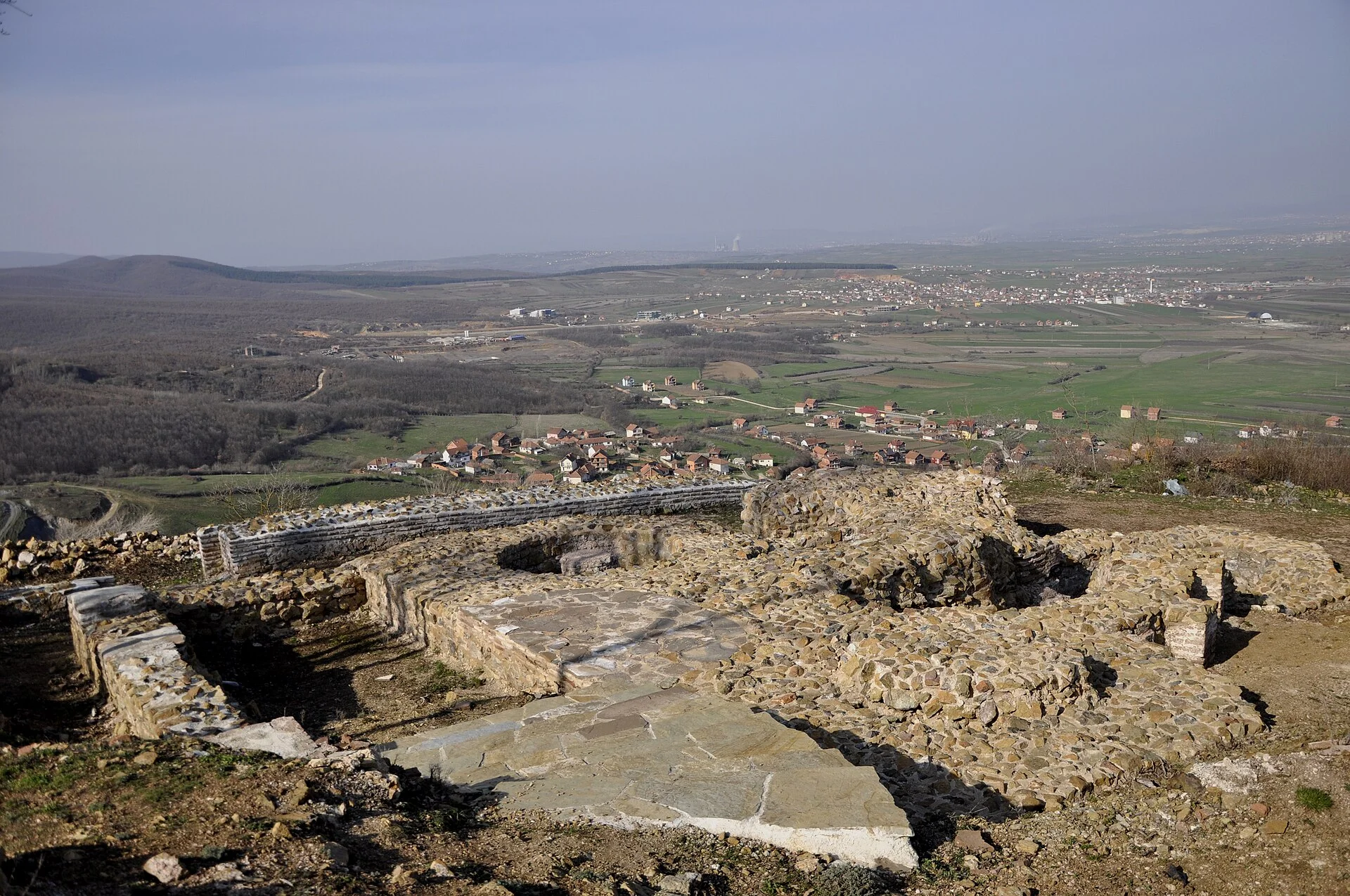
Researchers describe the elevated position and broad visibility as features of the fortress setting. The landscape helps us understand the relationship between the settlement and its surroundings. [H01]
HOW DISCOVERY BEGAN
A name preserved in local memory became part of the path towards archaeological discovery.
Peja and Hajdari describe the 2004 survey, information shared by villagers and traces of building material. Excavations beginning in 2005 revealed important structures from the fourth to sixth centuries. [H01]
The principal phase of structures described in the archaeological study.
Survey work and local knowledge inform the start of excavation.
Systematic exploration and documentation of the structures.
KKTK records the fortress’s designation for permanent protection.
WHAT WE KNOW / WHAT IS DISCUSSED
Archaeology connects evidence and interpretation. Understanding the distinction brings history into focus.
The institutional account records the church and sacristy as parts of the site’s sacred complex. [H03]
In his 2017 paper, Halûk Çetinkaya interprets the site as a monastic settlement. This is presented as the author’s thesis. [H04]
Their form is documented. Their precise use requires careful consideration of archaeological arguments and is not presented here as an undisputed conclusion. [H03][H04]
LOOK CLOSELY
Use permitted paths, stay away from wall edges and leave stones and fragments where they are. A photograph or a drawing can preserve the memory of your visit.
Plan your visit